Introduction
For a long time, digitalization in oil and gas was treated as a future goal. That’s changed. The focus now is on how these tools actually impact operations.
The pressure behind this shift is real. Oil and gas operations contribute roughly 5-6 gigatonnes of CO₂ equivalent emissions annually, while companies continue to deal with cost pressures and complex, aging systems. Because of this, digital transformation in the oil and gas industry is becoming more practical. It’s less about adding systems and more about improving how plants run, making them more responsive, reliable, and efficient in day-to-day operations.
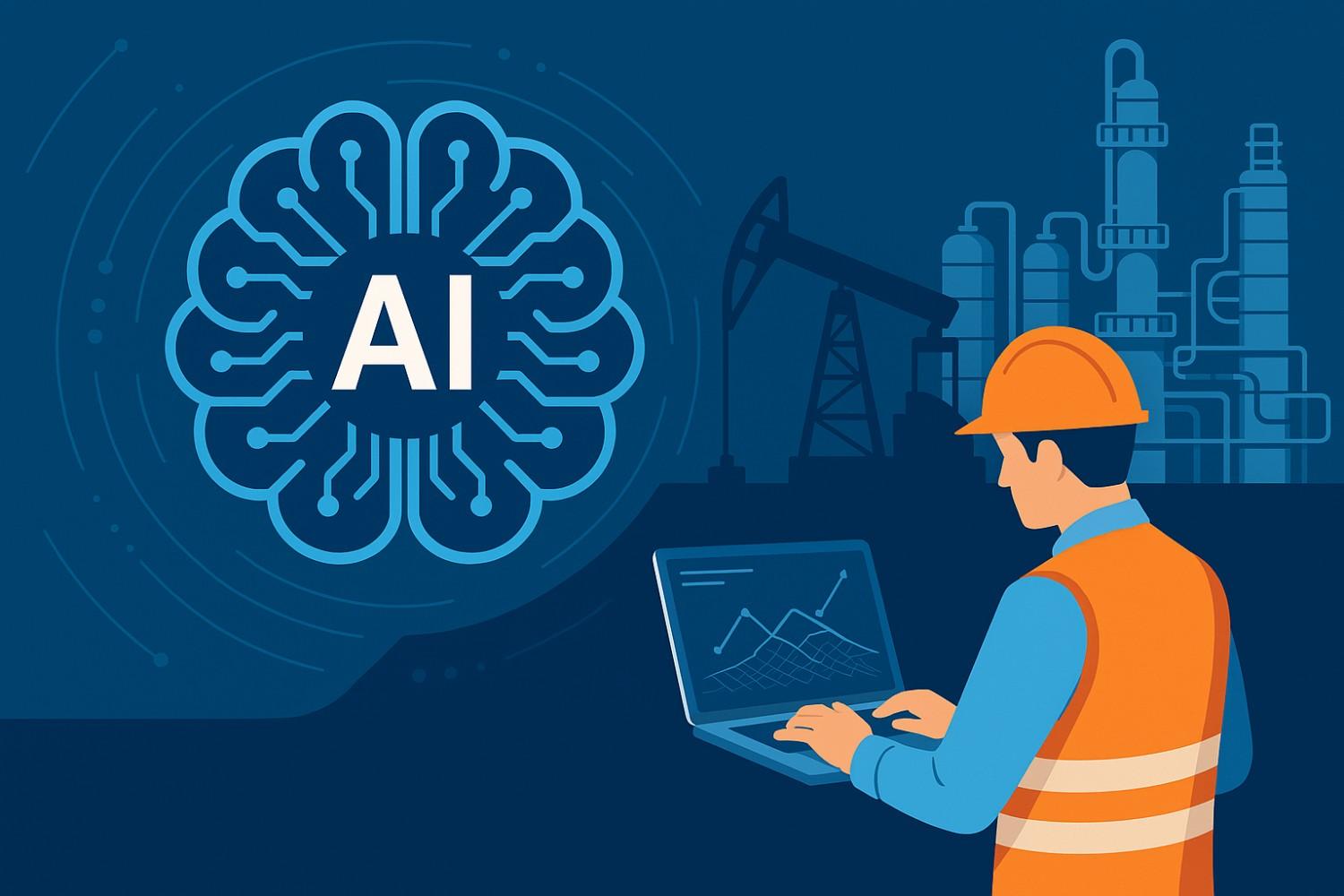
The same shift is visible with AI in the energy sector. It’s not being used just for innovation anymore, but because traditional approaches are no longer enough to manage day-to-day operations.
Trend: Sustainability Is Moving from Reporting to Operations
In most plants, the issue isn’t that there’s no data. It’s the opposite. There’s a lot of it. It comes from different systems, control rooms, maintenance records, inspections, but it usually stays where it is. It gets stored, sometimes reviewed, but doesn’t always help when decisions need to be made during operations.The way sustainability is handled is also starting to shift.
Earlier, it was more about reporting. Emissions were tracked, numbers were measured, and compliance was checked. But that didn’t really fix what was happening inside the plant. When data isn’t linked to operations, inefficiencies stay. Energy gets wasted, small issues keep building, and emissions go up without anyone catching the reason early.
In refining and petrochemical plants, where energy can be around 50–60% of operating costs, even small gaps start to matter. And these don’t show up as big failures. They build slowly, through normal variation, equipment wear, or control issues. Without a connected view, they’re easy to miss.
That’s why sustainability is slowly moving closer to operations. It’s not something checked once in a while anymore. It needs to be managed as part of daily plant activity.
Bridging the Gap Between Data and Decisions
Having data is not the same as being able to act on it. This is where digitalization starts to make a difference.
Real-Time Visibility Is Replacing Periodic Analysis
Traditionally, plant performance has been reviewed in cycles, daily reports, weekly summaries, or monthly audits. While useful, these approaches leave gaps between observations. Bridging that gap requires connecting operational data with engineering context, understanding not just what is happening, but why.
Digital systems begin to make a difference when they link performance metrics, process behavior, and sustainability outcomes in a single view. Instead of waiting for a deviation to appear in a report, operators can identify it as it develops.This reduces response time and helps prevent small issues from becoming larger operational or environmental problems.
AI Is Moving from Insights to Action
Earlier applications of analytics focused on identifying patterns. Today, AI is increasingly being used to support strategic decisions. Across process industries, AI-driven optimization has demonstrated 10- 20% improvements in efficiency and productivity, depending on the application and data maturity.
More importantly, these systems are not replacing engineers, they are augmenting decision-making. They help prioritize actions, identify root causes faster, and maintain consistent performance across shifts and operating conditions.
Digital Twins Are Becoming Operational Tools
Digital twins were initially used more for design or planning. That’s changing now. When they’re connected to live plant data, they start becoming part of how decisions are made. Engineers can test changes, compare different scenarios, and get a sense of what might happen before doing anything on the actual system.
A similar approach was used at a petrochemical facility where a hot oil network was drawing more energy than expected. The issue wasn’t obvious at first. Instead of making direct changes, a steady-state simulation model was built to understand how the system was behaving, especially around pressure drops and flow distribution. Once the problem areas were clearer, targeted adjustments were made. Pump load came down from 2.1 MW to 1.22 MW, and that translated into annual savings of over $300,000.
What makes this useful in practice is the ability to test things before acting on them. It reduces guesswork and helps teams make more confident decisions without disrupting operations.
Emissions Are Now Operational Metrics
One of the more significant shifts is how emissions are being treated. Instead of being measured periodically and reported separately, emissions are increasingly linked to operational performance. This means they are influenced by factors like energy use, process efficiency, and equipment condition.
For example, a rise in fuel consumption is not just an energy issue, it may indicate fouling in heat exchangers, poor control tuning, or feed variability. When data is structured correctly, these relationships become visible. This shift, from observation to understanding, is where digital transformation starts to create real value.
This connection is critical for achieving net zero carbon targets and meaningful carbon footprint reduction. When emissions are tied to operations, reducing them becomes part of daily decision-making rather than a separate initiative.
Knowledge Is Becoming Digitized
A large portion of engineering knowledge still exists in documents, P&IDs, manuals, reports, and SOPs. Accessing this information can be time-consuming, especially during critical situations.This is where generative AI is starting to make an impact.
Platforms enable engineers to quickly retrieve relevant information, analyze trends, and make informed decisions without manually searching through multiple documents. This doesn’t replace expertise, it makes it more accessible.
Why Most Digitalization Efforts Still Fall Short
Despite these advancements, not all digital initiatives deliver the expected results. The common issue is not technology, it’s integration. In many cases, tools are implemented without being fully connected to plant operations. Data is available, but it doesn’t align with process realities. As a result, insights remain underutilized.
There’s also a tendency to treat digitalization as a standalone effort rather than integrating it with engineering workflows. Without linking digital tools to process understanding, improvements are difficult to sustain.
How Ingenero Bridges This Gap
Ingenero approaches digitalization from an operational perspective, combining process engineering expertise with digital capabilities. With over 16 million engineering man-hours and extensive experience across energy-intensive industries, the focus is on understanding how plants actually operate.
The approach typically begins with structured analysis, energy audits, process studies, and system evaluations, to identify where inefficiencies exist. From there, digital tools are applied to sustain improvements. Platforms enable continuous monitoring, anomaly detection, and optimization based on real-time data.
This is where the role of asset performance management consultants and process safety consultants becomes more practical. It’s not just about identifying issues, it’s about ensuring systems operate reliably and efficiently over time. In parallel, emissions reduction is integrated with operational improvements, ensuring that it is not treated separately from performance.
Conclusion
These trends, real-time monitoring, and AI digital twins are already shaping how oil and gas operations will move forward. But the real difference isn’t in adopting them, it’s in how they’re used on the ground. Technology on its own doesn’t do much. It’s how teams apply it. When data, engineering understanding, and daily decisions start connecting, that’s when things actually improve, whether it’s performance, reliability, or emissions.
You can see where things are heading.Investment in digital transformation across the industry is expected to grow by over $50 billion between 2025 and 2029, showing how seriously this shift is being takenFor companies working toward net zero carbon, digitalization is slowly becoming part of how plants run, not something separate. And in the end, the real change comes from doing things differently, consistently.
Frequently asked questions
1. Why is digitalization becoming important in oil and gas now?
It wasn’t as urgent before. Now, with more complex operations and tighter margins, it’s getting harder to manage things without better visibility across the plant.
2. If plants already have data, what’s still missing?
The data is there, but it doesn’t always come together in one place. So when something starts to shift, it’s not always picked up in time.
3. How is AI used in day-to-day plant operations?
Mostly to help make sense of what’s already happening. Instead of going through everything manually, it points out where attention is needed.
4. Are digital twins actually used in operations?
More than before. Teams use them to test changes and see possible outcomes first, rather than trying things directly on the plant.
5. Why do some digital initiatives fail to deliver results?
Often because they stay separate from how the plant actually runs. If they’re not connected to real processes, the impact doesn’t last.